
Checklist – How to Establish a Brazilian Subsidiary

Establishing a Brazilian Subsidiary Establishing a Brazilian Subsidiary To successfully incorporate a Brazilian subsidiary, a foreign entrepreneur must fulfill a list of strategic and, above all, bureaucratic obligations. Below, we summarize the main To-DOs. Complying with Brazilian regulations is crucial for setting up a subsidiary. Part 1 – Strategy and Foreign Partners Business Structure: Define a tax plan and business objectives to determine the legal structure for the subsidiary. Appoint a Legal Representative: Foreign entities must designate a Brazilian resident with specific powers to act as their representative. Register with Authorities: The foreign partner must register with the National Register of Legal Entities (CNPJ) or Individuals (CPF). Document Legalization: Ensure foreign documents comply with Brazilian standards and register them with the Civil Registry of Titles and Documents. Part 2 – Articles of Association Prepare Articles of Association: Define the rights and responsibilities of partners, adhering to Brazilian legal requirements. Register Articles: Submit the articles to the Board of Trade or Civil Registry of Legal Entities, depending on the business type. Social Security Registration: Register with social security and other authorities as needed. For healthcare companies, registration with the National Medical Council may be required. Contact Us If you would like information on doing business in Brazil or wish to speak with one of our business consultants, fill out our contact form or contact us by message or phone. We look forward to hearing from you! For expert guidance on establishing a business in Brazil, get in touch with our team today.
What Investors and Companies Can Expect from the Brazilian Economy in 2020
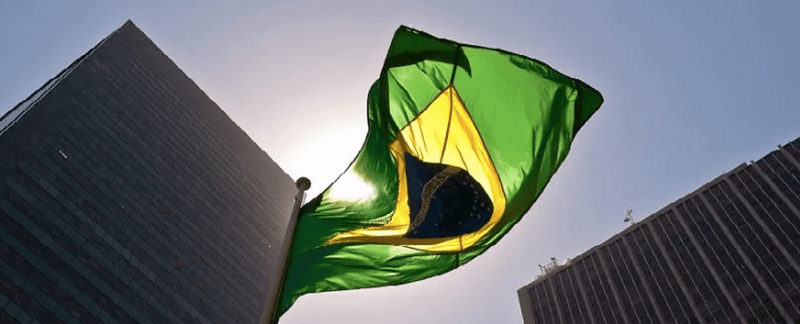
Optimistic Business Outlook for Brazil Optimistic Business Outlook for Brazil Although last year was less satisfactory from the perspective of many economists, most Brazilian business leaders expect 2020 to be a positive year for their companies, according to a recent survey. © Donatas Dabravolskas – stock.adobe.com After two years of severe recession between 2015 and 2016, the Brazilian economy has been recovering moderately. With the election of President Jair Bolsonaro, economists initially predicted significant GDP growth and increased foreign investments. However, recent political and economic challenges have tempered these expectations. Fitch Ratings cited political instability, corruption, and difficulties in implementing fiscal reforms as key obstacles. This led to a downward revision of GDP growth expectations for 2019, eventually registering a modest 1.1% growth, similar to the previous year. Survey: 2020 Will Be a Positive Year A survey conducted by Deloitte revealed that seven out of ten Brazilian business leaders are optimistic about 2020. The survey included 1,377 companies, representing R$ 3.5 trillion in annual revenue, equivalent to half of Brazil’s GDP. Key findings include: 72% of respondents plan to maintain their workforce. 58% intend to increase the number of employees. Altair Rossato, CEO of Deloitte Brazil, attributed the optimism to positive GDP growth of 0.6% in Q3 2019, reflecting gradual economic improvement. “The third-quarter GDP results align with business leaders’ positive expectations, as they see signs of improvement day by day,” said Rossato in an interview with Exame.com.br. Priority Actions for Brazil’s Economy Survey participants identified key priorities for economic growth: 79% emphasized job creation. 57% highlighted the need for infrastructure investments (railways, highways, waterways, and ports). 54% supported expanding Brazil’s participation in foreign trade. 52% called for more concessions and auctions. Investments in these areas are critical to boosting Brazil’s economic potential and competitiveness in the global market. For more insights on the Brazilian economy and business opportunities, contact us today.
Business Talk #1: What Makes Brazil an Attractive Market for International Business?

Why Brazil is an Attractive Market for International Business What Makes Brazil an Attractive Market for International Business? For our Business Talks, we invite international and Brazilian experts to discuss various topics related to Brazil, from market insights and business development to HR and tax issues. Fabian Peters shares insights into Brazil’s business potential and challenges. Business Talk #1 – Featuring Fabian Peters Fabian Peters is the CEO of ILM Group. With extensive experience in the Brazilian market, he previously founded a subsidiary for a German internet technology company in 2012 and held various leadership roles in Brazilian companies. His expertise spans business development, finance, and strategic growth initiatives. What makes Brazil an attractive market for international business? Brazil is the 5th largest country in the world, with over 200 million people, making it the largest market in the Americas after the U.S. Despite some challenging years, the economy is showing signs of growth, providing foreign companies with opportunities in a vast market with less competition compared to other economies. What issues and challenges should companies consider before establishing operations in the country? Brazil’s complex tax system and bureaucratic processes pose significant challenges. Labor laws are also intricate, making it essential to hire local experts to navigate these complexities. However, establishing a local entity in Brazil offers undeniable advantages for market entry. Which sectors are most attractive in Brazil? Traditional sectors like Agribusiness remain promising due to favorable regulations. Renewable Energy and Environmental Solutions are also gaining traction, driven by international pressures and rising interest in sustainability. In the tech space, demand for SaaS, IaaS, and PaaS solutions is growing, fueled by Brazil’s expanding e-commerce market, which accounts for 50% of Latin America’s total. How can ILM Group support companies entering the Brazilian market? ILM Group helps clients focus on their core business by managing risks and complexities. Services include tax structuring, company incorporation, and administrative support like issuing electronic invoices. Think of ILM Group as a “complexity and risk outsourcing” partner for businesses entering Brazil. For more information on how ILM Group can assist your business, contact us today.
The EU-Mercosur Agreement: A Story with a Happy Ending?

EU-Mercosur Trade Agreement: Opportunities and Challenges EU-Mercosur Trade Agreement: Opportunities and Challenges The trade agreement between the EU and Mercosur states could be advantageous for both sides, eliminating high import tariffs. However, the ratification of the document is at risk. Efforts for the EU-Mercosur trade deal span over two decades. A Milestone in Trade Negotiations After nearly 20 years of negotiation, the European Union and Mercosur states — Brazil, Argentina, Uruguay, and Paraguay — reached a political agreement in June. This “agreement in principle” aims to foster growth and job opportunities on both sides. However, ratification remains uncertain, as several nations have expressed reluctance to sign the deal. The Economic Importance of the Agreement The EU is Mercosur’s largest trade and investment partner, exporting €45 billion in goods in 2018 and €23 billion in services in 2017. Additionally, the EU holds a €381 billion foreign investment stock in Mercosur. For the EU, eliminating trade barriers, particularly for smaller companies, is a key objective. The agreement could remove tariffs on 91% of EU products, saving up to €4 billion annually. For instance: Cars: current tariff of 35% Machinery: tariffs between 14% and 20% Chemicals: tariffs up to 18% Challenges to Ratification Despite its benefits, the agreement faces significant resistance: Amazon Rainforest Fires: France and Ireland threatened to veto the deal unless Brazil commits to stronger environmental protections. Austria: A parliamentary subcommittee voted against ratification, with four out of five parties opposing the agreement. EU Farmers: The COPA-COGECA organization has raised concerns about competition from Mercosur agricultural exports. Brazil’s Environmental Policies: President Jair Bolsonaro’s stance on the Paris Climate Agreement and limited efforts to curb Amazon deforestation have drawn criticism. Argentina: Newly elected President Alberto Fernández has expressed interest in renegotiating parts of the agreement. Given these obstacles, the future of the EU-Mercosur agreement remains uncertain. If you would like information on doing business in Brazil or wish to speak with one of our business consultants, fill out the contact form on our website or contact us by message or phone.
First Steps to Establish Business Operations in Brazil

Setting Up Business Operations in Brazil Setting Up Business Operations in Brazil Panoramic view of Sao Paulo, Brazil Brazil is considered one of the most interesting economies globally. At the same time, business leaders face a complex and bureaucratic system when establishing operations in the country. Learn more about how to set up business operations in Brazil. The Brazilian Economy: Opportunities and Challenges The Brazilian economy is considered one of the most attractive for foreign investments today, especially compared to other emerging countries. Brazil is the main economic presence in Latin America and the 8th largest economy in the world. With Jair Bolsonaro’s government, there is a promise of a more open and business-friendly economy aiming to be among the top 50 countries to do business by 2022. However, investors must navigate challenges, such as a complex tax system and the preference of Brazilian companies for working with local entities for tax reasons. Four Main Ways to Do Business in Brazil Depending on your business purpose and planned commitment, here are the main approaches for foreign investors and companies: 1. The Business Development Agent Objective: Local support to analyze the Brazilian market or find potential business partners or suppliers in Brazil. Solution: Hire a local business development agent. This avoids visa issues for non-residents while providing insights and connections. 2. The Sales Representative Objective: Find Brazilian customers for goods, services, or software. Solution: Hire one or more Brazilian sales representatives. They identify potential customers, sign contracts (if authorized), and keep you informed about market developments. It’s important to draft a commercial representation agreement that complies with Brazilian law to protect both parties’ interests. 3. The Distributor Objective: Work with a partner who intermediates transactions and handles product distribution to end customers. Solution: Partner with a Brazilian distributor. Unlike sales representatives, distributors purchase products before reselling them and typically hold import licenses. 4. Incorporate a Brazilian Subsidiary Objective: Long-term commitment and building a Brazilian brand. Solution: Incorporate a subsidiary. This allows for better control over operations, provides tax advantages, and signals a commitment to the Brazilian market. If you need more information or wish to speak with one of our business consultants, fill out the contact form on our website or contact us by message or phone.